
Padel, Pilates and recovery under one roof: James Hurlock on the Fitura Brands model
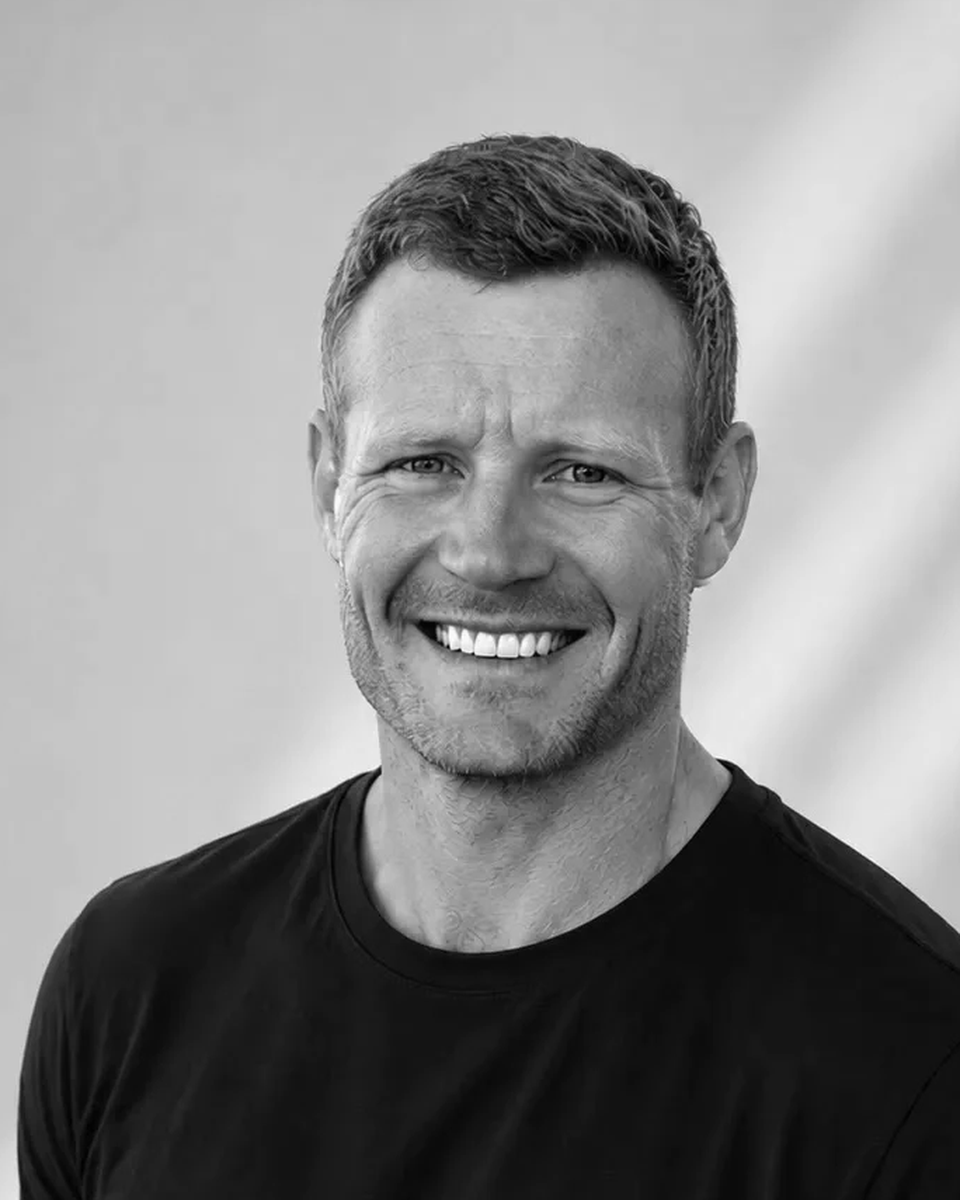
Fitura Brands is betting that the next great fitness franchise is not one concept but three that feed each other: padel, athletic reformer Pilates and guided contrast therapy. James Hurlock, founder and CEO of Fitura Brands, helped scale F45’s FS8 and The Picklr. He explains the economics and why Fitura spent a year building before selling a single franchise.
Key takeaways
- Build the system before you sell it. Fitura raised capital and spent 12 months building infrastructure before franchising. Slower and more expensive, Hurlock says, but better for franchisees. 41:10
- Padel is where pickleball was five to seven years ago. Hurlock cites SFIA data showing padel participation up 14.5 percent while pickleball grew 1.3 percent. 11:30
- One member, three reasons to stay. Sport, strength and recovery under one roof are meant to lower acquisition cost and raise lifetime value. 38:00
- Every square inch has to earn. Core Precinct can fit into about 2,000 square feet, with a bespoke reformer designed for a smaller footprint. 22:15
- You can change an operation, but you cannot undo a bad lease. 24:40
Why padel, and why now
Hurlock spent three years as chief brand officer at The Picklr, which he describes as North America’s largest indoor pickleball operator. His read is that pickleball has slowed while padel is accelerating. Citing recent SFIA figures, he puts padel’s growth at 14.5 percent against pickleball’s 1.3 percent. 9:57 11:30
Hurlock says padel is already played in more than 130 countries and cites reports estimating around one million players in the United States. 12:30 33:48
The court explains both the appeal and the barrier. A padel court is a little larger than a pickleball court and enclosed in glass. That glass makes the game more athletic, since the ball stays in play off the walls, and it makes courts more expensive to build. Hurlock says that is why private operators, rather than municipalities, are building most of the courts. 35:37 36:37
Three concepts, one flywheel
Fitura’s three brands are designed to feed each other. Core Precinct is athletic reformer Pilates, built on a bespoke reformer developed with one of the five largest manufacturers to combine classical and high-intensity styles at a lower price point and in a smaller footprint. 15:08 16:08
ContrasTheory is contrast therapy (infrared sauna, cold plunge and guided breathwork) with one difference Hurlock considers essential: a guided protocol programmed centrally and run in eight-week cycles, so members know why they are there and can see progress. In his experience, most people cannot say why they do contrast therapy at all. 16:08 17:08
Padel SWT is the big box: roughly 25,000 square feet, with padel courts in the back and Core Precinct and ContrasTheory in the front. Hurlock says most padel clubs are courts in a warehouse; Padel SWT is designed more like a modern country club. 18:08 32:48
The logic is a loop. Play padel, recover in ContrasTheory, then build strength in Core Precinct to support better play. Hurlock hopes that giving members more reasons to stay will lower acquisition costs and raise lifetime value. Instead of paying for separate gym, sauna and Pilates memberships, members can access all three kinds of training and recovery in one place. 38:00 39:00
Who the studios are for
Hurlock is realistic about Pilates demographics. Even with more men and professional athletes adopting reformer training, he expects the Core Precinct audience to be roughly 85 to 90 percent women, with a core age range of 25 to 40. 21:14
For recovery, he sees accessibility and education as the drivers. Premium recovery used to be reserved for professional athletes. Now more studios exist, and people increasingly treat recovery as part of performance rather than a reward after it. 29:31
Real estate decides the outcome
Hurlock’s sharpest advice is about leases. Core markets come first (Florida, New York, California and Texas), but site selection should rest on data and a test fit, not instinct. A space that looks good on price per square foot can lose a quarter of its usable capacity to structural columns. 23:40 24:40
Hurlock warns that commercial leases can mean a ten-year commitment and often include a personal guarantee. “You can change a lot of things with an operational business, but you can't undo a bad lease,” Hurlock said. 24:40
Building the plane before flying it
Franchising, Hurlock says, too often means building the plane while flying it, and franchisees pay for it. Fitura’s leadership team has more than 70 years of combined franchise experience, and the company spent a year putting infrastructure in place before taking on franchisees. At the time of the interview, it was running discovery days region by region and turning away operators who weren’t the right fit. 40:10 41:10 42:15
Quotes are lightly edited for clarity.
Listen to the full conversation
James Hurlock, Fitura Brands Founder & CEO, on Scaling Padel and Pilates Franchises
Play the episodeFrequently asked questions
What is Fitura Brands?
A franchise platform led by James Hurlock that combines three concepts: Padel SWT indoor padel clubs, Core Precinct athletic reformer Pilates and ContrasTheory contrast therapy studios.
Is padel growing faster than pickleball?
Hurlock cites SFIA data showing padel participation up 14.5 percent while pickleball grew 1.3 percent. He also cites reports estimating about one million US padel players.
How big is a padel club?
Fitura’s Padel SWT clubs are designed for about 25,000 square feet, with padel courts at the back and Pilates and recovery studios at the front. Hurlock says Core Precinct can fit into about 2,000 square feet; he describes the standalone formats as roughly 2,500 square feet.
Why combine padel, Pilates and recovery?
Each gives members a reason to use the others: play, recover, build strength and play better. Fitura aims to lower member acquisition costs and increase lifetime value by giving people more reasons to stay.