
The teardown
Life Time, Planet Fitness, Xponential, Peloton, and Garmin, broken down to the numbers that actually matter.
Quarterly report
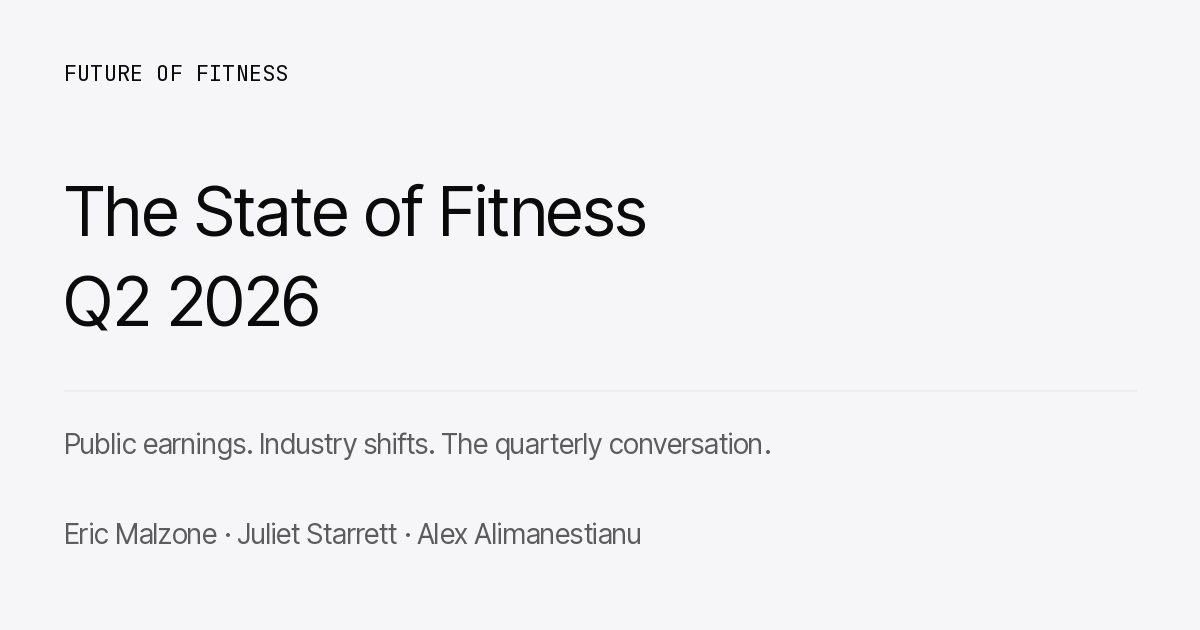
The complete PDF, with linked audio breakdowns. Free to read and keep.
Brands covered
Life Time Group Holdings · Planet Fitness · Xponential Fitness · Peloton Interactive · Garmin
Guests and brands featured on the show
WHOOP · Peloton · Equinox · Oura · Eight Sleep · Life Time · Barry's · F45 · Tonal · Strava · Planet Fitness · Technogym · Centr · TRX · Crunch · The Ready State · Asensei · Garmin · Hyperice · Forward · Xponential · Club Pilates · ABC Fitness
Life Time, Planet Fitness, Xponential, Peloton, and Garmin, broken down to the numbers that actually matter.
Every company links straight to the moment in the episode. Hear Alex, Juliet, and Garmin Health's Andy Beckman make the call in their own words.
Not just what happened. What it means for how you build, operate, or invest this year.
Industry Overview
Five earnings reports, one member growth story, and it belongs to a watch company. Every dollar of revenue growth in public fitness right now comes from monetizing existing members, not adding new ones.
Life Time is guiding to end the year with fewer members than it has today. Planet Fitness posted its lowest same club sales outside COVID. Xponential is flat. Peloton had its worst subscriber year ever. The only unit growth in the group belongs to Garmin. The land grab is over. The yield era is here.
A record 81 million Americans belong to a facility, with churn at a decade low. The market is there and members are staying. The public companies still can't add heads, which makes weak comps a product problem, not a market problem.
Planet spent $200 million on buybacks this quarter. Life Time and Garmin returned hundreds of millions more. Almost none of the public sector's capital is funding new gym supply outside the premium end. For private operators, that means less funded competition.
Garmin Health is running remote patient monitoring for diabetes and Parkinson's, military readiness programs, and insurance underwriting priced off activity data. Whoop got a Medicare pathway. The GLP-1 pill is on the market. The convergence is shipping.
New York City's click-to-cancel rule takes effect October 1 with penalties per violation. The industry beat the federal rule and is now losing city by city. Every multi-unit operator needs a cancellation-flow audit before Q4.
New research argues many of the world's oldest people were never that old, and the Blue Zones take real damage. What survives: strength, sleep, community, not smoking. Gyms sell the boring stuff, and the boring stuff is what's true.
Company teardowns
Figures and commentary from the original The State of Fitness: Q2 2026 report. Fiscal periods are shown for each company.
| Company | Metric | Value | Context |
|---|---|---|---|
| Life Time Group Holdings | Q2 Revenue | $866M | +13.7% YoY |
| Life Time Group Holdings | Rev / Member / Qtr | $993 | +11.8% YoY |
| Life Time Group Holdings | Stock, trailing 12 mo | +60% | Two ratings upgrades |
| Planet Fitness | Same club sales | 1.7% | Lowest outside COVID |
| Planet Fitness | Q2 Revenue | $365M | +7.1% YoY |
| Planet Fitness | Share buybacks | $200M | ~4M shares near $50 |
| Xponential Fitness | NA same store sales | -6.8% | vs +2.4% a year ago |
| Xponential Fitness | Net debt / EBITDA | 5.0x | $497M on $99M LTM |
| Xponential Fitness | Revenue | -13% | $66M, guidance cut |
| Peloton Interactive | FY26 Net income | $63M | First profitable year |
| Peloton Interactive | Free cash flow | $378M | +17%, net debt -80% |
| Peloton Interactive | Paid subscribers | -8.8% | 2.55M, worst decline yet |
| Garmin | Q2 Revenue | $2.02B | +11%, guidance raised |
| Garmin | Fitness segment | +25% | $757M, largest segment |
| Garmin | Market cap | ~$55B | More than five Life Times |
NYSE: LTH . Q2 2026
Shrinking on purpose ↗“They're just executing at an incredibly high level and it's getting a little boring. There's really no drama around Life Time.”
Alex Alimanestianu
NYSE: PLNT . Q2 2026
The $10 U-turn ↗“You've sold a bunch of memberships at fifteen dollars, and now your existing members are like, but I just joined last month at fifteen. It's kind of a nightmare.”
Alex Alimanestianu
NYSE: XPOF . Q2 2026
Alex doubles down ↗“My prediction was wrong, but I'll double down: on the next call we will not be talking about them as a public company.”
Alex Alimanestianu
NASDAQ: PTON . Q4 & FY2026 (year ended June 2026)
The first profitable year ↗“I thought maybe Peloton was gonna go the way of Xponential several times during these quarterly podcasts. So I was delighted to see this. I'm rooting for this company.”
Juliet Starrett
NYSE: GRMN . Q2 2026
Inside Garmin Health with Andy Beckman ↗“Sometimes there's a few creaky things from a software perspective, but I'm also not paying a monthly fee as a customer. I love that about the company.”
Juliet Starrett
Peek inside
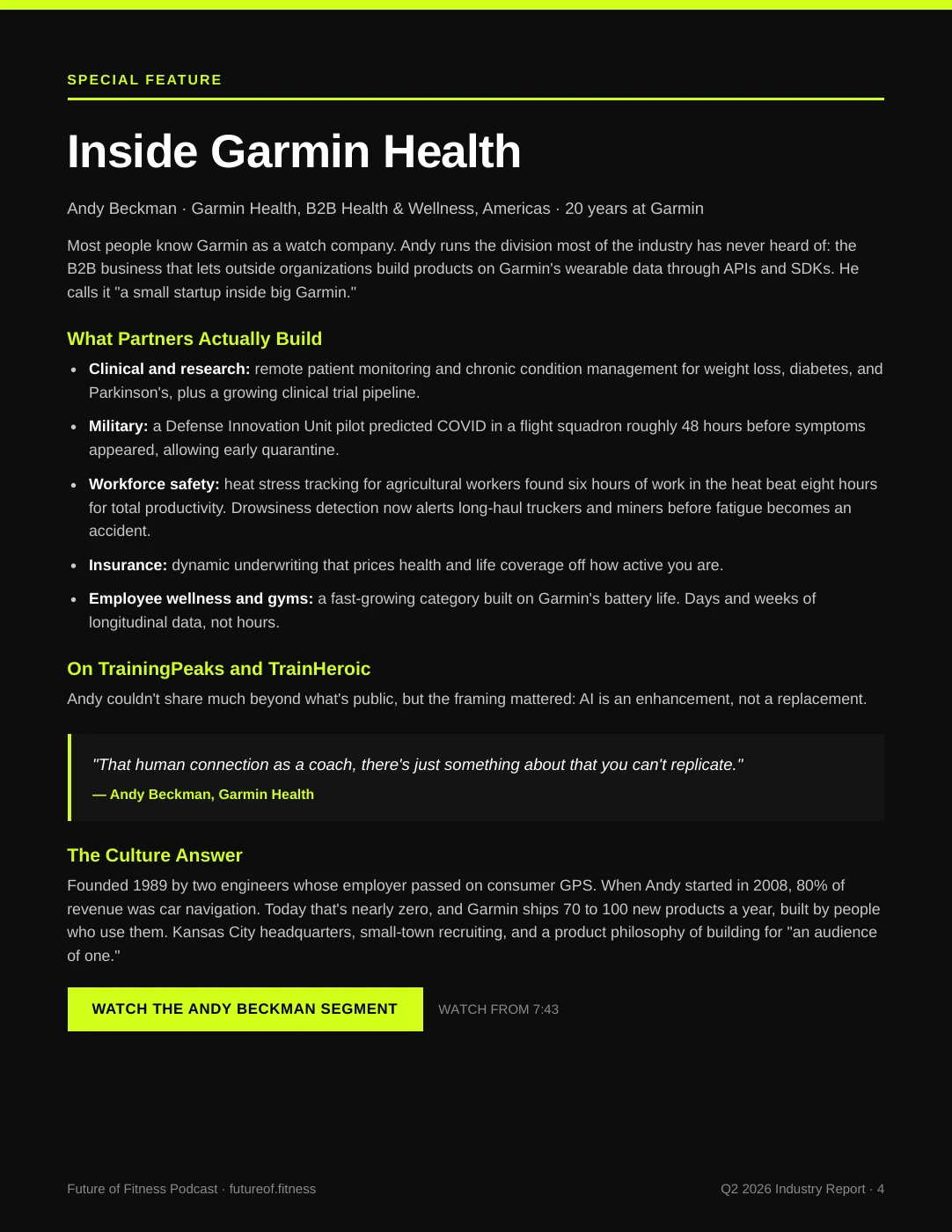
Every company gets the teardown treatment: revenue, margins, segment trends and the number that tells the story.
What comes next
M&A
A high-trust brand in a low-trust category just got acquired by a marketing giant. Thorne's NSF Certified for Sport standard is expensive to maintain, and quality is exactly the cost acquirers like to save. Every gym with a supplement shelf now negotiates with a multinational, not a founder.
Pricing
The regional rollback of the price increase starts in September. Watch whether it reignites joins or just resets the revenue base lower. Q1 2027, the industry's biggest quarter, is the real test.
IPO Watch
Oura filed confidentially off an $11 billion valuation, and the listing may come as soon as next month. Whichever wearable prices first sets the comp for every private fitness-tech valuation on the board, including Whoop's.
Regulation
New York City's rule takes effect with penalties per violation, and warning notices already went to nearly 200 gyms. The panel's unanimous take: it shouldn't take a regulation to make canceling easier than it was in 1995. Audit your cancellation flow before Q4.
Trend
Whoop secured a pathway into a CMS chronic-care program, Oura is partnered with Eli Lilly on GLP-1 tracking, and the first GLP-1 pill hit the market at $149 a month self-pay. Fitness-as-healthcare finally has revenue mechanics behind it.
Next Quarter
The hype is at an all-time high and the products are largely untested. Teenagers are buying them on Amazon. We're dedicating time to it on the Q3 report.
One more signal
A New Yorker review of Oxford researcher Saul Justin Newman's new book argues many of the world's oldest people were never that old. Japan once found 80% of its centenarians were missing or dead. Okinawa's civil records were destroyed in WWII and rebuilt by self-report under a welfare system that paid by age. Because mortality doubles every eight years, even tiny record errors compound until the oldest age brackets are mostly errors.
Good news for operators. What survives every version of the critique is exercise, strength, sleep, community, and not smoking. Gyms sell four of those five. Be discerning about what you evangelize, and keep selling the boring stuff. The boring stuff is what's true.
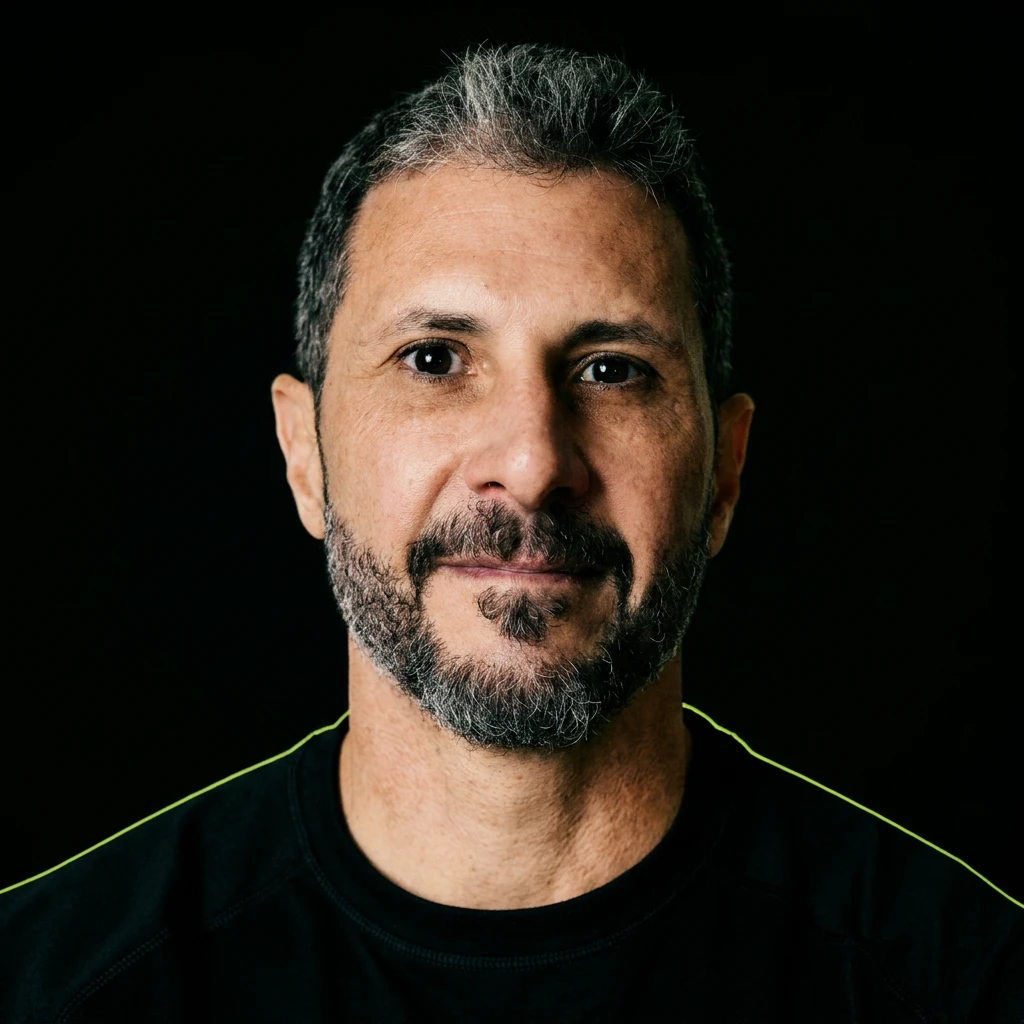
Host of Future of Fitness. Conversations with founders, operators, investors and experts across fitness, health and wellness.

Co-founder of The Ready State. Ran a CrossFit affiliate for years. Sees the operator and human-performance side.
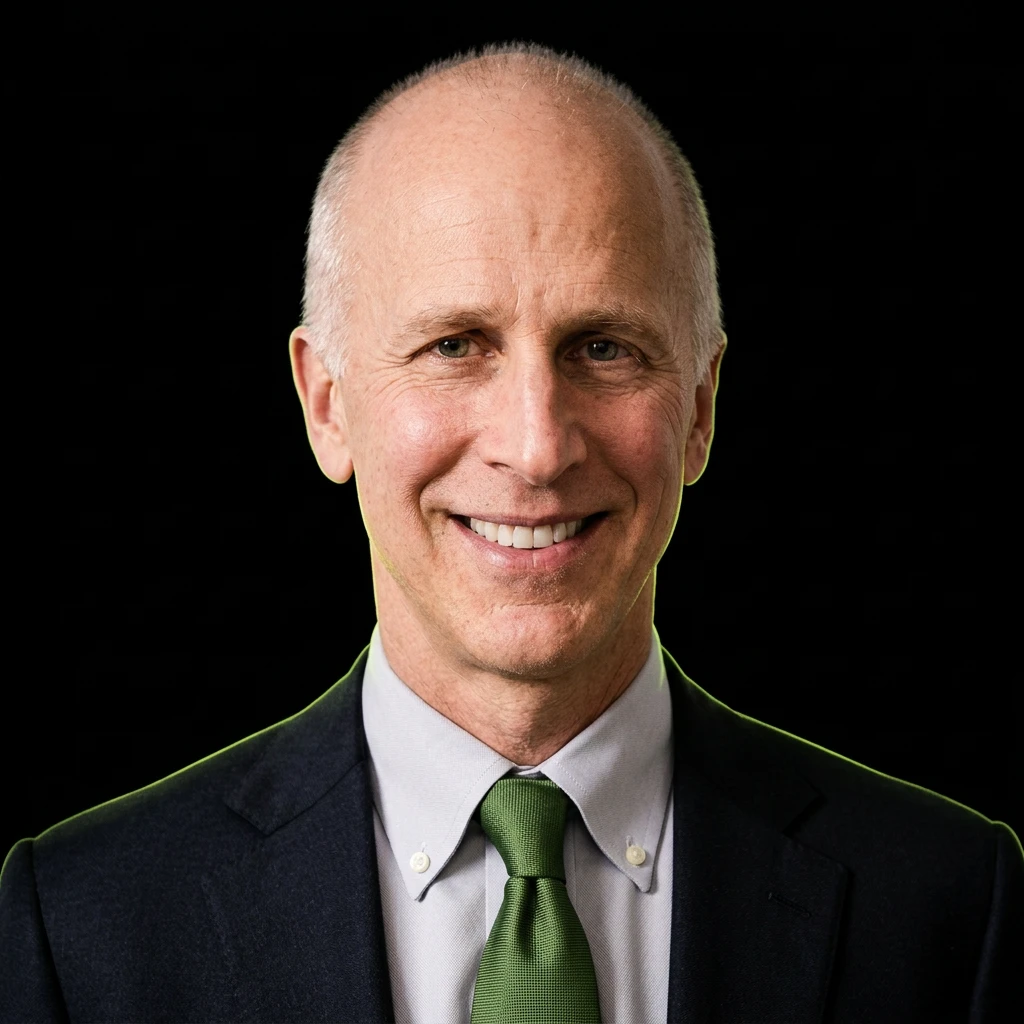
Former CEO of Town Sports International. Knows capital markets and operator economics cold.
Special guest this quarter. Leads Garmin Health's B2B business across the Americas after 20 years at Garmin.
Yes. The report is free. We make our money elsewhere.
A report every quarter, plus Eric’s Tuesday newsletter. Unsubscribe in one click.
Operators, founders, investors, and anyone building in fitness, health, and wellness.
Never. One click unsubscribes you for good.