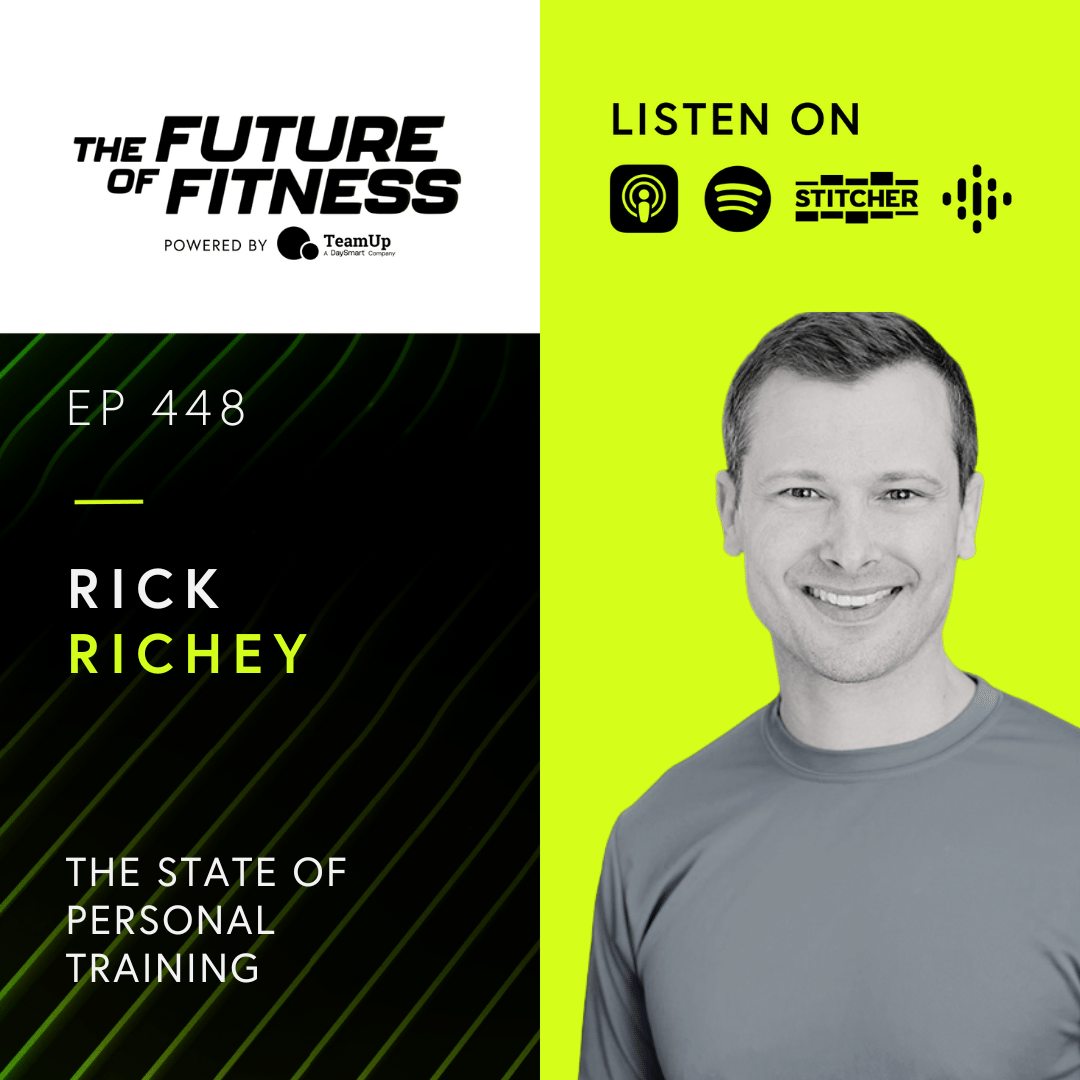
In an industry often clouded by Instagram filters and unrealistic expectations, it's refreshing to have an honest conversation about what it really takes to succeed in personal training and gym ownership. Dr. Rick Richey, founder of Independent Training Spot (ITS) and veteran NASM educator, recently shared his insights on the Future of Fitness podcast about where the industry stands in 2024 and what it takes to build a sustainable career.
The Evolution of Personal Training
Despite the rise of virtual training and social media influencers, in-person personal training remains as relevant as ever. "There's always gonna be a market for the in-person because people are gonna push themselves and push hard," Richey explains. "They're gonna need your help. They're gonna need you to spot them. They're gonna need you to watch their form."
However, the landscape has changed. Today's trainers often want to combine traditional training with:
Online presence and programming
Multiple revenue streams
Flexible work arrangements
Business ownership opportunities
The Independent Training Model
One of the most interesting developments in the industry is the rise of the "co-working" model for personal trainers. Richey's Independent Training Spot provides a solution for trainers who want to run their own business without the full overhead of gym ownership.
Key benefits include:
Lower financial risk
Professional training environment
Business autonomy
Community of professionals
Proven business model
The Reality of Gym Ownership
For those considering gym ownership, Richey offers a sobering but valuable perspective. Success requires more than just being a great trainer - it demands:
Substantial initial investment
Understanding of true operating costs
Systems and processes
Long-term planning
Realistic revenue projections
Technology's Role in Training
While technology continues to advance, Richey emphasizes that it's just a tool, not the answer. From force plates to AI-powered programming, technology should support, not replace, the fundamentals of good training:
Consistent effort
Proper form
Progressive overload
Client accountability
Real human connection
Building a Sustainable Career
For those looking to build a long-term career in fitness, Richey suggests focusing on:
Education and Expertise
Continual learning
Practical application
Understanding your market
Business Fundamentals
Realistic pricing
Time management
Client retention
Professional development
Work-Life Balance
Sustainable scheduling
Financial planning
Career progression
Long-term goals
The Future of Personal Training
The industry continues to evolve, but certain fundamentals remain constant:
The need for in-person coaching
The importance of human connection
The value of expertise and experience
The demand for professional guidance
Moving Forward
As Richey notes, personal training is "a cool job, but it's still a job." Success requires more than passion - it demands professionalism, business acumen, and realistic expectations. Whether you're just starting out or looking to expand your existing business, the key is to approach the industry with eyes wide open and a willingness to put in the work.
Want to learn more about the business of personal training? Connect with Dr. Rick Richey on Instagram @dr.rickrichey or check out the NASM CPT podcast.
Keywords: personal training business, gym ownership, fitness industry, personal trainer career, fitness business model, gym management, fitness education, personal training career path