
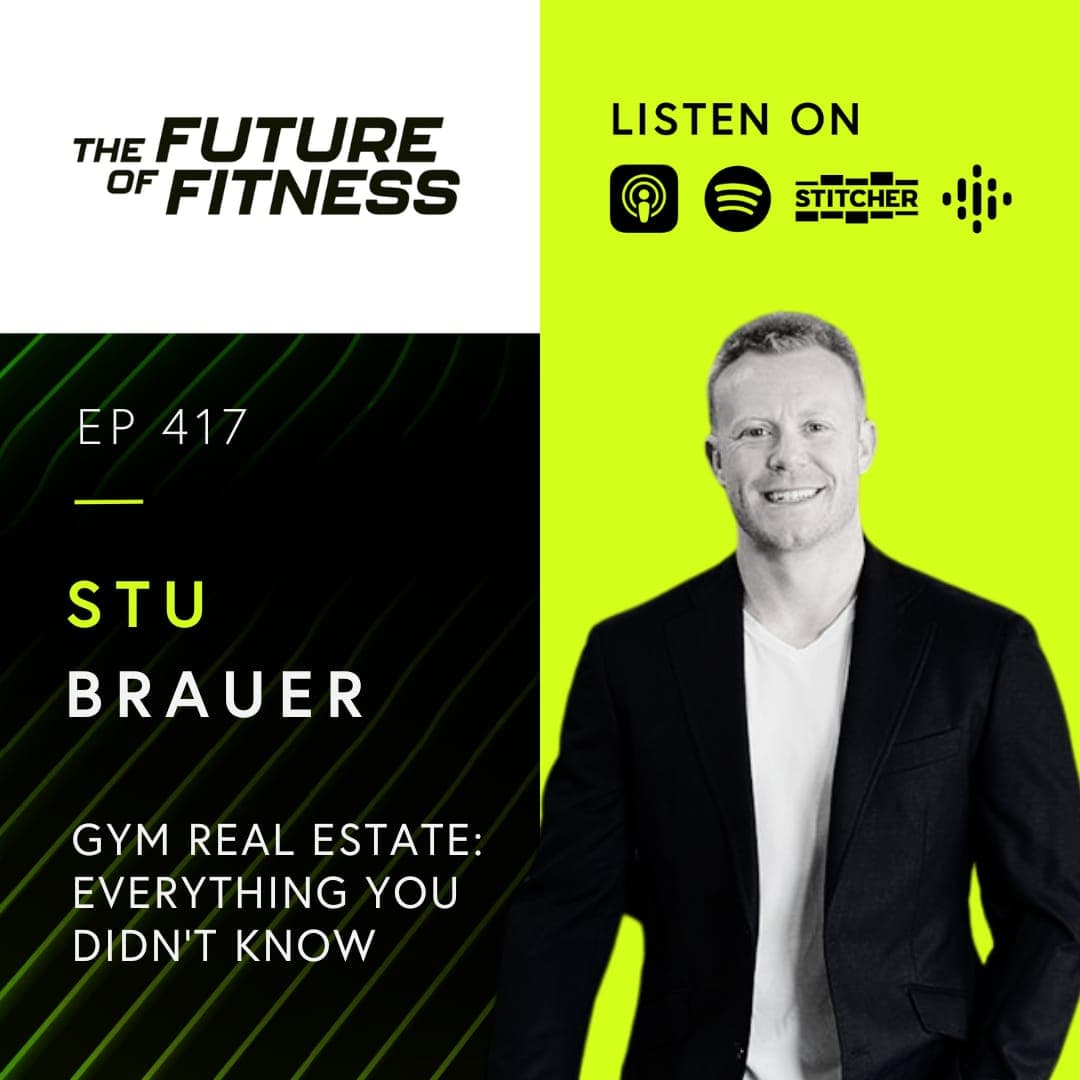
In the ever-evolving world of fitness, understanding the nuances of gym real estate can be the difference between just surviving and truly thriving. This in-depth exploration features Stu Brauer, CEO of Gym Real Estate Co., who shares his expert insights on how strategic real estate investments can revolutionize your fitness business. With a keen focus on the importance of selecting the right property, navigating leases, and the potential financial benefits, this blog post unpacks everything you need to know to make informed decisions in the fitness real estate market.
The Importance of Location in Gym Real Estate: Stu emphasizes that the choice of location is paramount. The right location goes beyond mere geography; it includes understanding the demographic and economic trends of the area. This ensures that your fitness center not only attracts the right clientele but also remains sustainable in the long term. Stu’s approach involves detailed demographic studies and market trend analysis to choose locations that align perfectly with a gym’s target audience.
Understanding Commercial Real Estate Leases: Navigating commercial leases can be daunting for many gym owners. Stu breaks down the complexities of different lease types, with a particular focus on triple-net leases, where tenants are responsible for property taxes, insurance, and maintenance fees. He provides crucial advice on what to look out for in lease agreements and how to negotiate terms that are favorable to the business owner, minimizing unexpected costs that could impact profitability.
Financial Strategies for Gym Owners: One of the most compelling aspects of Stu’s strategy is how gym owners can use real estate to secure their financial future. He discusses the benefits of owning the property where your business operates. This not only helps in controlling overhead costs but also in building equity. Stu also highlights financial tools such as SBA loans, which can be instrumental in helping owners purchase properties.
The Role of Site Suitability Consulting: Unlike traditional real estate agents, Stu’s company offers site suitability consulting. This service provides a comprehensive analysis that goes beyond basic location scouting. It includes evaluating the potential site’s foot traffic, competitor presence, local community engagement, and even psychographic profiles of potential customers. This holistic approach ensures that every gym setup is optimized for success from the start.
Leveraging Real Estate for Passive Income: Stu also touches on the advanced concept of using gym ownership as a launchpad for broader real estate investments. He discusses how gym owners can develop their properties to include additional rentable spaces, creating passive income streams. Whether it’s retail spaces, small offices, or wellness centers, there are numerous opportunities for gym owners to maximize their real estate investments.
Challenges and Solutions: Despite the opportunities, the journey into gym real estate is not without its challenges. Stu discusses common pitfalls and how to avoid them, such as underestimating renovation costs or overestimating growth potential. He provides actionable solutions that help prospective gym real estate investors navigate these hurdles effectively.
Conclusion: Stu Brauer’s insights offer a roadmap for any fitness entrepreneur eager to dive into the world of gym real estate. With strategic planning, understanding of the market, and smart financial decisions, gym owners can not only expand their business footprint but also secure a more stable financial future.