
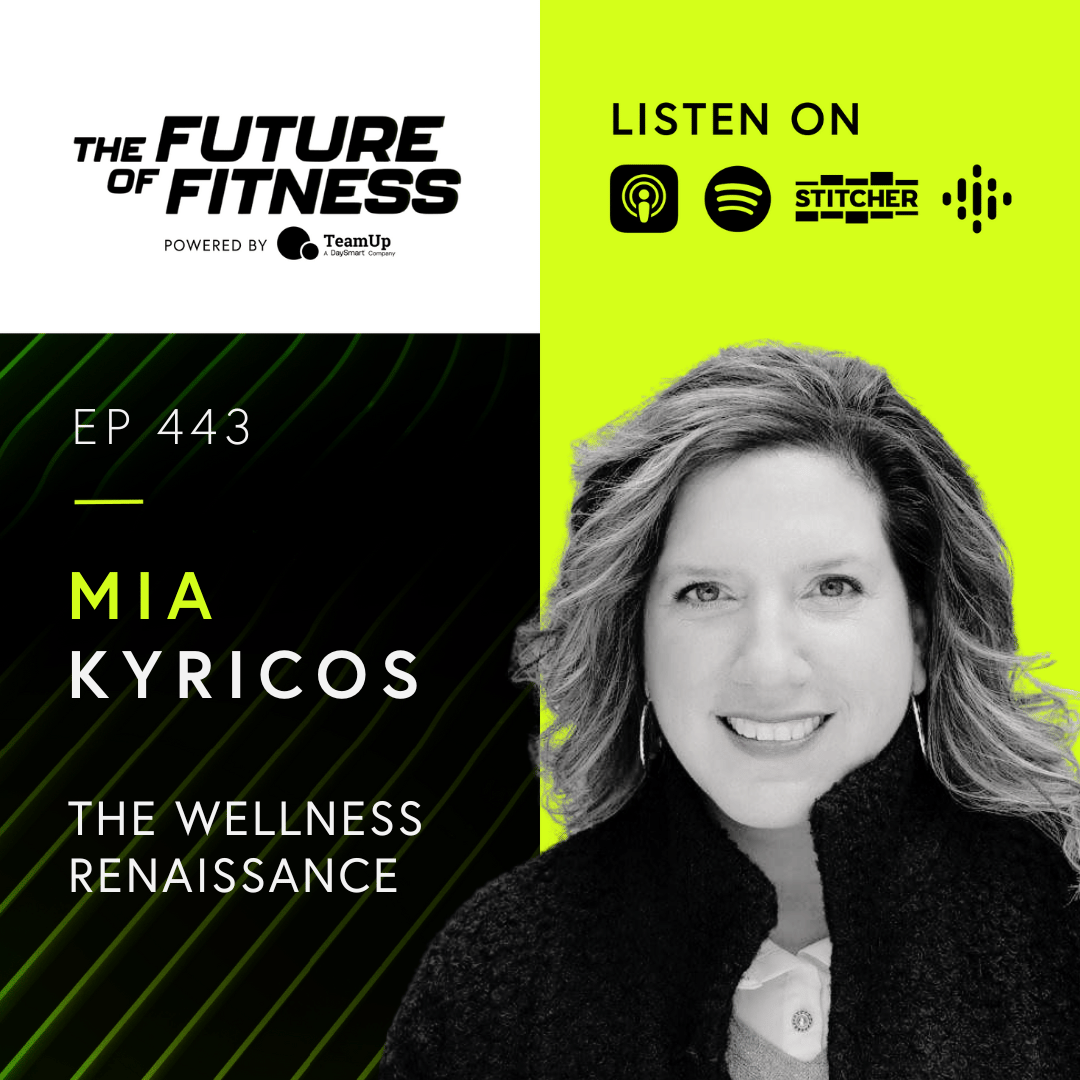
The wellness industry is experiencing an unprecedented renaissance, with the global wellness economy now reaching a staggering $6.3 trillion across ten different segments. In a recent Future of Fitness podcast episode, industry leader Mia Kyricos shared valuable insights into this transformation and what it means for the future of health and wellness.
A New Era of Wellness
"We're no longer trying to create demand – we're now privileged to cater to it," explains Kyricos. This shift represents a fundamental change in how consumers approach their health and wellness. The industry has moved from convincing people about the importance of wellness to helping them find the right solutions for their needs.
The Three Universal Pillars of Wellness
According to research cited by Kyricos, there are three fundamental pillars of wellness that remain consistent across different cultures and countries:
How you move
How you fuel your body
How you manage your mindset and stress
These pillars form the foundation of any successful wellness offering, whether it's a local fitness studio or a global wellness brand. "If you're addressing these three things, no matter what part of the world you're in, you're going to address 80% of the opportunity to help people live longer, healthier, richer lives," says Kyricos.
Technology as the Great Enabler
One of the most significant developments in the wellness industry is the role of technology as an enabler for democratizing access to wellness services. While some may view technology with skepticism, Kyricos sees it as a crucial tool for scaling wellness solutions and making them more accessible to broader populations.
"Technology is the enabler, without question," Kyricos emphasizes. "It can enable more connectivity with our health professionals, better tracking of our progress, and more personalized solutions for individuals."
The Rise of Chief Wellness Officers
A particularly exciting development in the industry is the emergence of Chief Wellness Officers (CWOs) in both private and public sectors. This role represents a significant shift in how organizations prioritize wellness, moving it from a peripheral concern to a core strategic focus.
These positions are appearing not just in corporations but also in:
Healthcare systems
Universities
Municipal governments
Large-scale hospitality organizations
The Social Component of Wellness
One of the most pressing issues identified during the discussion was the impact of social isolation and the need for "third places" – locations outside of home and work where people can connect and build community. This is particularly relevant given the alarming statistic shared during the interview that teenagers are spending approximately 91 days per year on social media.
The Future of Wellness Integration
Looking ahead, Kyricos envisions wellness becoming more integrated into everyday spaces and experiences. This includes:
Traditional fitness facilities expanding into broader wellness offerings
Hotels and hospitality venues incorporating more wellness elements
Public spaces being designed with wellness in mind
Corporate environments prioritizing employee wellbeing
Healthcare systems embracing preventative wellness approaches
Practical Applications for Business Leaders
For businesses looking to capitalize on these trends, Kyricos suggests:
Focus on creating authentic community connections
Integrate technology thoughtfully to enhance, not replace, human interaction
Consider how to address all three pillars of wellness in your offerings
Look for opportunities to make wellness more accessible to broader populations
Invest in preventative approaches rather than reactive solutions
The Healthcare Connection
A critical aspect of the wellness revolution is its relationship with traditional healthcare. "We're seeing major healthcare institutions like the Cleveland Clinic and Mayo Clinic actively seeking partnerships with wellness businesses," notes Kyricos. This represents a significant shift from previous attitudes where wellness was often dismissed as non-essential.
Conclusion
The $6.3 trillion global wellness economy represents more than just a market opportunity – it signals a fundamental shift in how we approach health and wellbeing. As Kyricos puts it, "We have the data, we have the passion, and we have the information in terms of understanding what the benefits are to extend our lives and the quality in our years."
For business leaders, practitioners, and consumers in the wellness space, this renaissance presents unprecedented opportunities to make meaningful impacts on individual and community health. The key will be finding ways to make wellness more accessible, integrated, and effective for diverse populations while leveraging technology to scale these solutions responsibly.
As we look to the future, the wellness industry's continued growth and evolution will likely play an increasingly important role in addressing global health challenges and improving quality of life for people around the world.