
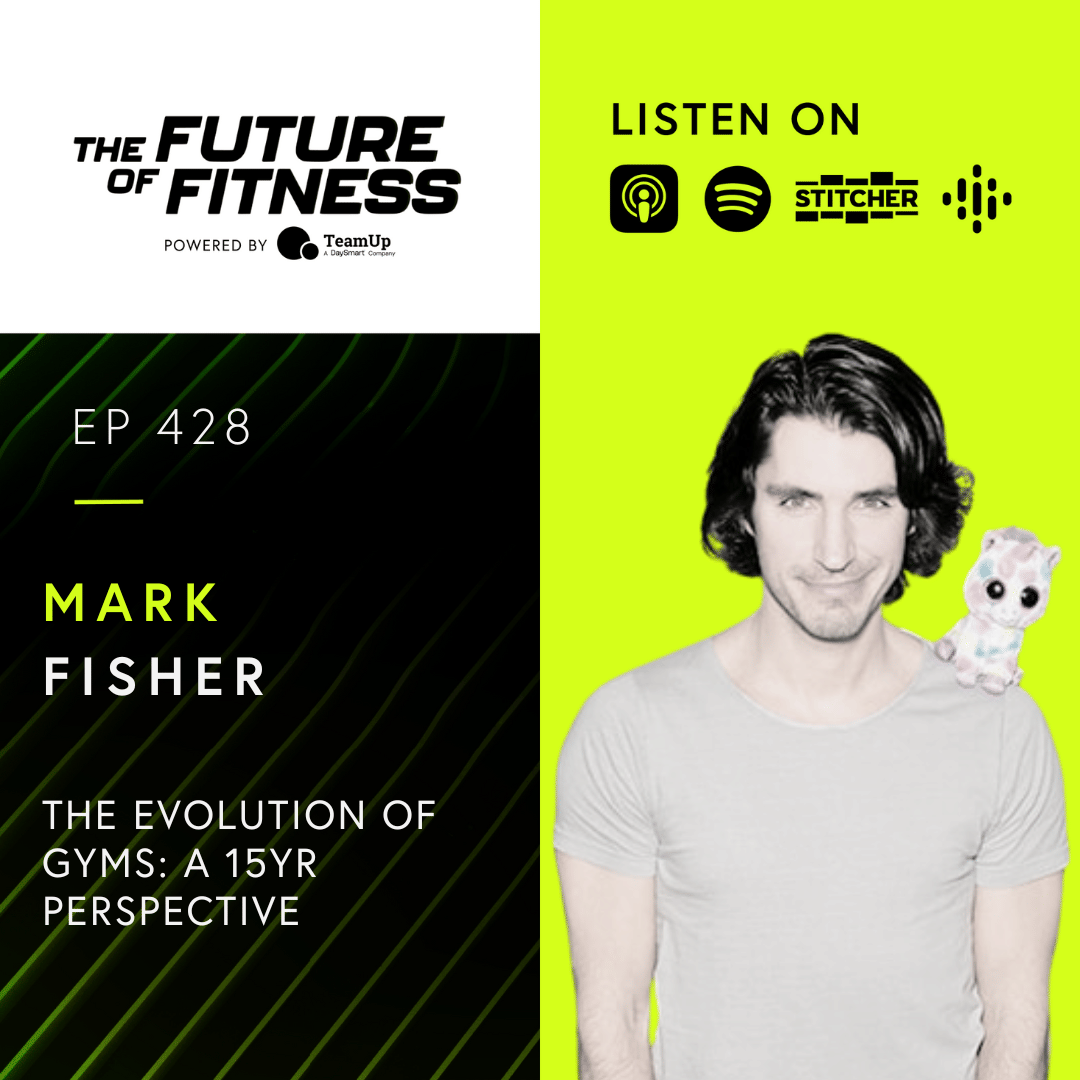
The fitness industry has seen profound changes over the last 15 years, and there’s perhaps no better person to walk us through these shifts than Mark Fisher. As the owner of Mark Fisher Fitness and Business for Unicorns, Mark has been a pioneer in the gym space, constantly pushing the boundaries of what it means to create a successful and sustainable fitness business.
I had the pleasure of sitting down with Mark for a recent episode of The Future of Fitness podcast. Our conversation took us through the highs and lows of the fitness industry, the evolution of gym marketing, and the operational shifts that have shaped how gyms run today.
The Evolution of Gym Operations: Lessons from Mark Fisher
The conversation started with Mark reflecting on how much the industry has changed. Back in the late 2000s, there was very little information available about running a fitness business. Gym owners, especially those with personal trainer backgrounds, had to rely heavily on trial and error. Fast forward to today, and the landscape is filled with resources—podcasts, books, consulting groups—all aimed at helping fitness businesses succeed.
One of the biggest changes Mark has observed is the focus on operational efficiency. Many gyms that started in the early 2010s were what Mark calls "magical messes." They were passion projects fueled by enthusiasm but lacking in streamlined business processes. Over time, many of these gyms, including Mark's, have embraced a more structured approach, with clearer roles, efficient systems, and a focus on scalability.
Mark made an interesting comparison between running a gym and running a childcare facility—both face the challenge of scalability due to the need for hands-on service. Just like childcare centers, gyms struggle to scale effectively because the service is inherently labor-intensive. To be successful, gym owners need to find ways to streamline operations and reduce overhead while maintaining the quality of service.
Gym Marketing: From Facebook Ads to Community Engagement
When it comes to marketing, Mark had some strong insights into how things have evolved over the last decade. In the early 2010s, Facebook ads were all the rage. Back then, you could spend a few dollars on an ad campaign and see immediate, impressive returns. Those days, however, are long gone.
Mark talked about how the cost of acquiring customers through digital ads has increased substantially, especially in saturated markets like New York City. Gym owners today need to be much more strategic in how they spend their marketing dollars, and they need to diversify their approach. Instead of relying solely on digital ads, successful gym owners are focusing on building relationships within their community and leveraging organic content to grow their brand.
One of Mark's favorite tactics is what he calls "meeting strangers." It sounds simple, but it's incredibly effective—get out into the community, make connections, and get people talking about your gym. Hosting community events, partnering with local businesses, and encouraging current clients to refer their friends are all strategies that still work incredibly well, even in today’s digital age.
The Importance of Lean Business Models
Another significant trend that Mark discussed is the shift towards leaner business models. With rising operational costs, gym owners have had to find ways to streamline their services while still delivering value. Mark highlighted his involvement with Alloy—a fitness franchise that emphasizes a lean operational model—as an example of how gyms can succeed with fewer staff and a more focused service offering.
Lean business models not only make it easier for gym owners to manage their facilities, but they also make it easier to deliver a consistently high-quality experience to clients. By reducing the complexity of operations, gyms can ensure that every touchpoint—whether it's a group class, a personal training session, or an online workout—meets the brand’s standards.
Mark pointed out that while streamlining can be tough, especially when it means saying goodbye to certain aspects of the business, it’s necessary for long-term sustainability. Gym owners need to be willing to make difficult decisions if they want to create a business that not only survives but thrives.
The Future of Gym Ownership: Navigating Challenges and Opportunities
One of the most enlightening parts of our conversation was Mark’s perspective on the future of gym ownership. With the rise of digital training, more and more trainers are opting to go online, which presents both a challenge and an opportunity for gym owners. Mark believes that the best gym owners will be those who find a way to blend in-person and digital experiences to provide more value to their clients.
He also touched on the importance of building a strong brand—something that’s especially crucial for those looking to succeed in the online space. Mark shared the story of a fitness coach who built a successful online business by focusing on a niche—Western-themed workouts for cowboys and cowgirls. By doubling down on her brand and delivering content that resonated with her audience, she was able to carve out a unique space for herself in a crowded market.
For gym owners who are primarily focused on brick-and-mortar operations, Mark’s advice is to prioritize community and relationships. The fitness industry is fundamentally a people business, and those who are able to foster a sense of belonging and connection will have a leg up on the competition.
Conclusion: Embracing Change and Evolving
The gym industry has changed significantly over the last 15 years, and the next 15 are likely to bring even more transformation. From changes in marketing to shifts in operational models, gym owners need to stay agile and be willing to adapt. Mark Fisher’s journey is a testament to the power of evolution—staying true to core values while embracing new strategies and technologies that help gyms succeed in an ever-changing environment.
If you're a gym owner or fitness professional, there are plenty of takeaways from this conversation that you can apply to your own business. Whether it’s refining your marketing strategy, exploring leaner business models, or finding new ways to engage with your community, now is the time to embrace change and prepare for the future of fitness.