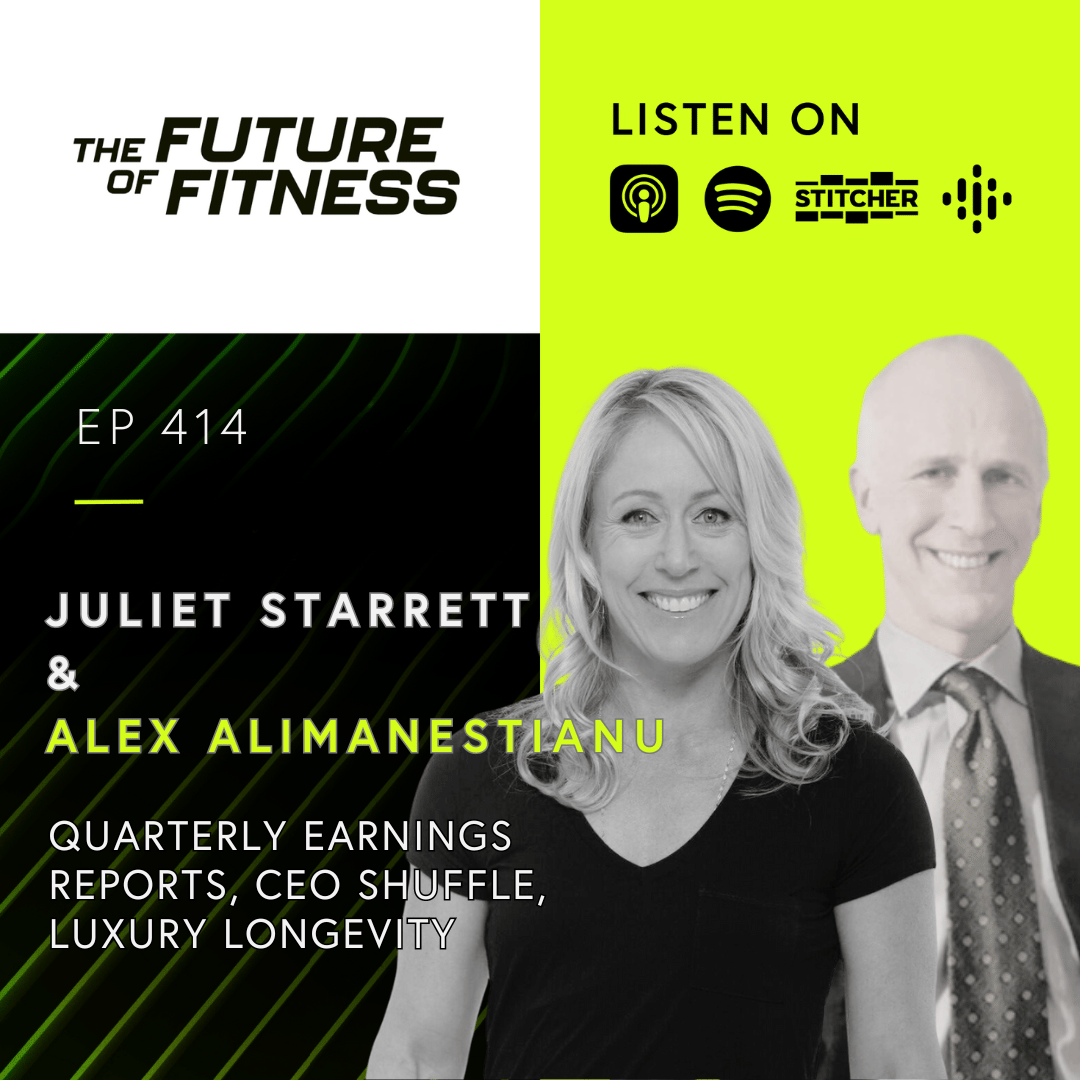
The fitness industry is a dynamic arena where leadership and innovation play pivotal roles in shaping market trends and consumer behaviors. In our latest podcast episode, "The Future of Fitness," I had the privilege of speaking with Juliet Starrett and Alex Alimanestianu, who shared their invaluable perspectives on the current state of the industry, including critical leadership transitions and the burgeoning emphasis on longevity in wellness.
The Impact of Leadership on the Fitness Industry: Leadership changes within major fitness companies often signal a shift in corporate strategy and culture. Juliet Starrett, a seasoned entrepreneur in the wellness space, emphasized how the arrival of new CEOs can catalyze significant transformations within these companies. These leaders bring new visions that often prioritize customer engagement, technological integration, and service diversification. For instance, companies like Peloton have responded to post-pandemic market demands by expanding their digital offerings and enhancing user experience, aiming to retain the surge of users attracted during lockdown periods.
Understanding Market Dynamics: Alex Alimanestianu, with his extensive background in managing wellness enterprises, discussed the adjustments companies must make to stay relevant in a rapidly evolving market. He highlighted how businesses that adapt their models to incorporate flexible membership plans, holistic health services, and robust digital platforms are more likely to succeed in retaining customers. This adaptability is crucial in a landscape where consumers increasingly favor wellness solutions that offer both convenience and a tailored approach to health.
The Rise of Longevity in Fitness: Both guests agreed that there is a noticeable shift towards longevity and sustainability in fitness regimens. Modern consumers are more informed and interested in programs that promote long-term health benefits rather than quick fixes. This shift is seeing gyms and wellness centers integrating services like nutritional counseling, mental health support, and chronic disease management into their offerings. The focus is increasingly on creating an ecosystem that supports the overall well-being of individuals, which aligns with growing consumer awareness and demands.
Strategic Responses to New Challenges: The discussion also covered how fitness companies are navigating new challenges, including economic pressures and increased competition. Strategies such as leveraging data analytics to personalize workouts and health plans, partnering with health insurance companies to offer memberships as part of wellness plans, and using AI to enhance customer interactions are becoming more prevalent. These innovations not only improve service delivery but also help in building a loyal customer base.
Future Outlook: Looking forward, the conversation touched on potential future trends in the fitness industry. Both Juliet and Alex foresee a greater integration of technology in everyday fitness experiences, with AI and machine learning playing larger roles in personalizing user experiences. Additionally, there is an expectation that community-focused fitness programs will gain prominence, as people value the support and motivation that come from group dynamics.
Conclusion: The insights shared by Juliet Starrett and Alex Alimanestianu shed light on the critical elements influencing the fitness industry today. As companies navigate leadership changes and adapt to new market realities, the focus on longevity and comprehensive wellness programs is likely to drive the next wave of innovation in the sector. For entrepreneurs, investors, and enthusiasts within the fitness industry, staying informed about these trends is crucial for capitalizing on the opportunities they present.