
In the world of fitness and performance, we're obsessed with data. We track our sleep, monitor our heart rate variability, count our steps, and measure our recovery. But there's been a crucial piece missing from this equation: how well we actually move.
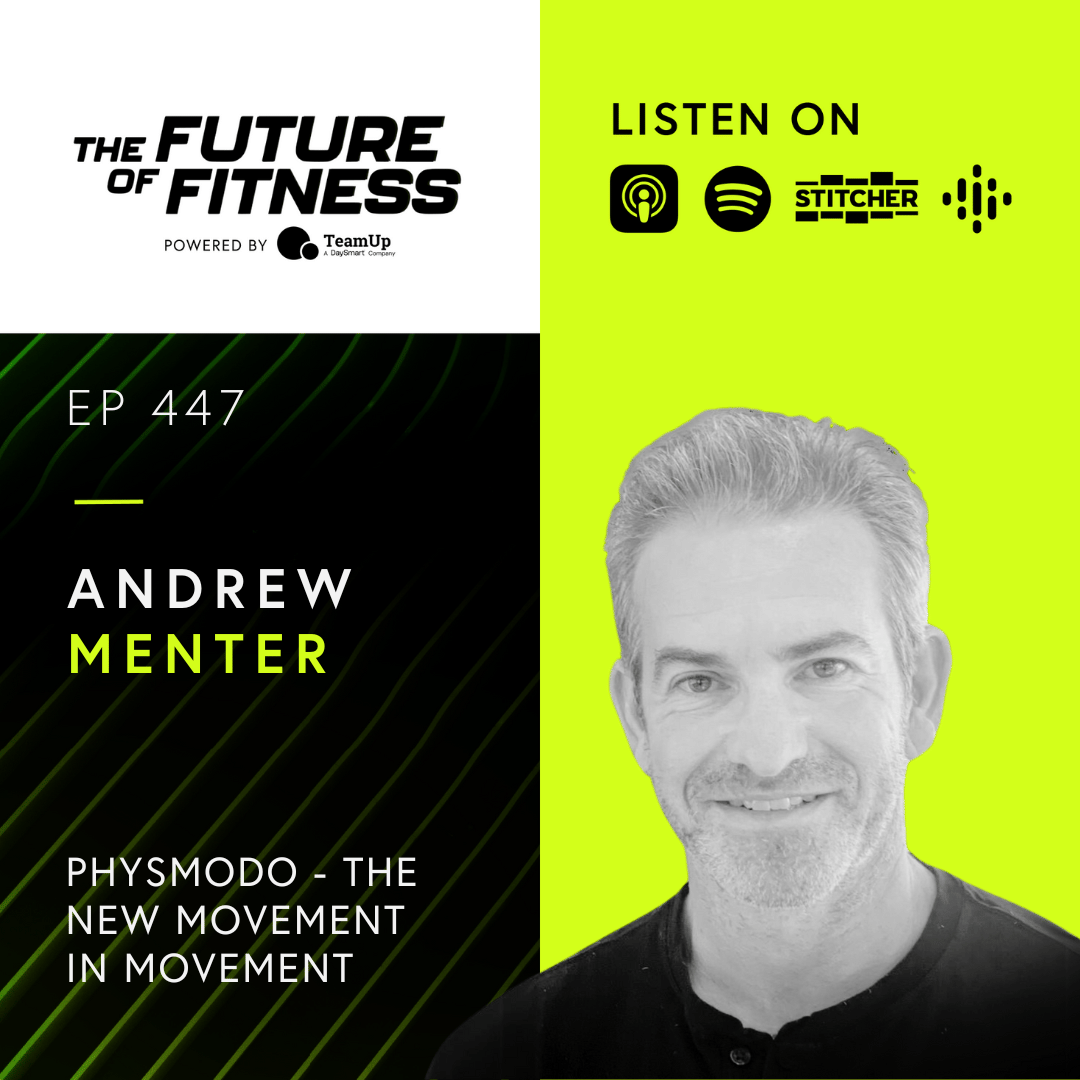
I recently sat down with Andrew Menter, CEO of Physmodo, to discuss this gap and how technology is revolutionizing movement assessment. As a former collegiate tennis player and competitive athlete who's dealt with numerous injuries, Menter brings both personal experience and technological expertise to this conversation.
The Missing Piece in Fitness Tech
Think about your typical morning routine if you're into fitness. You wake up, check your recovery score on your wearable, and make training decisions based on that data. But what if your HRV looks great, but your movement patterns are compromised? That's the gap Menter and his team at Physmodo are working to fill.
"You can have a 97 on your Whoop score and sleep like a baby," Menter explained, "but if your movement patterns are off, you might need to adjust your training plans significantly."
From Manual to Digital: The Evolution of Movement Assessment
Movement assessment isn't new. The Functional Movement Screen (FMS) has been around for about 30 years, providing valuable insights into how people move. However, traditional assessments face several challenges:
Time-consuming (often taking 15-20 minutes)
Require trained professionals
Difficult to standardize across practitioners
Hard to perform frequently enough to track changes
Technology is changing this landscape. What started with Microsoft's Kinect has evolved into sophisticated movement assessment using just your smartphone's camera. Physmodo can now provide comprehensive movement analysis in about 30 seconds, making regular screening actually feasible.
Real-World Applications
The implications of accessible movement assessment are far-reaching:
Sports Performance
The University of Tennessee's athletic program uses Physmodo to track 550+ athletes. Athletes can self-assess weekly, and coaches receive notifications about significant changes in movement patterns.
Military and Special Operations
With 12% of soldiers non-deployable due to non-combat injuries (77% being musculoskeletal), movement assessment could help prevent injuries before they occur.
Corporate Wellness
Musculoskeletal issues are the largest healthcare claim in corporate wellness. Regular movement assessment could help identify and address issues before they become injuries.
Recovery Centers
Stretch Lab has implemented the technology across 500+ locations, using movement assessment to guide and customize their treatments.
The Future of Movement Assessment
The next frontier lies in combining movement data with other biometric data. Physmodo is working with companies like Rook to integrate wearable data, creating a more complete picture of readiness and recovery.
Future developments include:
Sport-specific assessments and protocols
Age and population-specific scoring
Integration with wearable data
Enhanced recommendation engines based on accumulated data
What This Means for Fitness Professionals
If you're a fitness professional, here's what you should know:
Start Collecting Data
Even basic movement data is valuable
Regular assessment is more important than perfect assessment
Look for tools that make assessment practical and repeatable
Think Integration
Consider how movement assessment fits into your current programming
Look for ways to combine movement data with other metrics
Use data to make more informed training decisions
Focus on Prevention
Use movement assessment to identify issues before they become injuries
Track changes over time to guide programming
Create more personalized training approaches
Moving Forward
The future of fitness isn't just about tracking more metrics - it's about tracking the right metrics and understanding how they work together. Movement assessment is becoming an essential part of this equation, providing insights that wearables alone can't capture.
As Menter puts it, "Any data is better than no data." But with tools like Physmodo making comprehensive movement assessment accessible and practical, we're moving toward a future where we don't have to choose between quality and quantity of data.
For fitness professionals and enthusiasts alike, this evolution in movement assessment technology represents an opportunity to make training more effective, more personalized, and ultimately, more successful.
Want to learn more about movement assessment technology? Visit Physmodo.com or connect with Andrew Menter on LinkedIn.
Keywords: movement assessment, fitness technology, sports performance, injury prevention, movement screening, fitness innovation, athletic performance, movement analysis, fitness data, sports science