
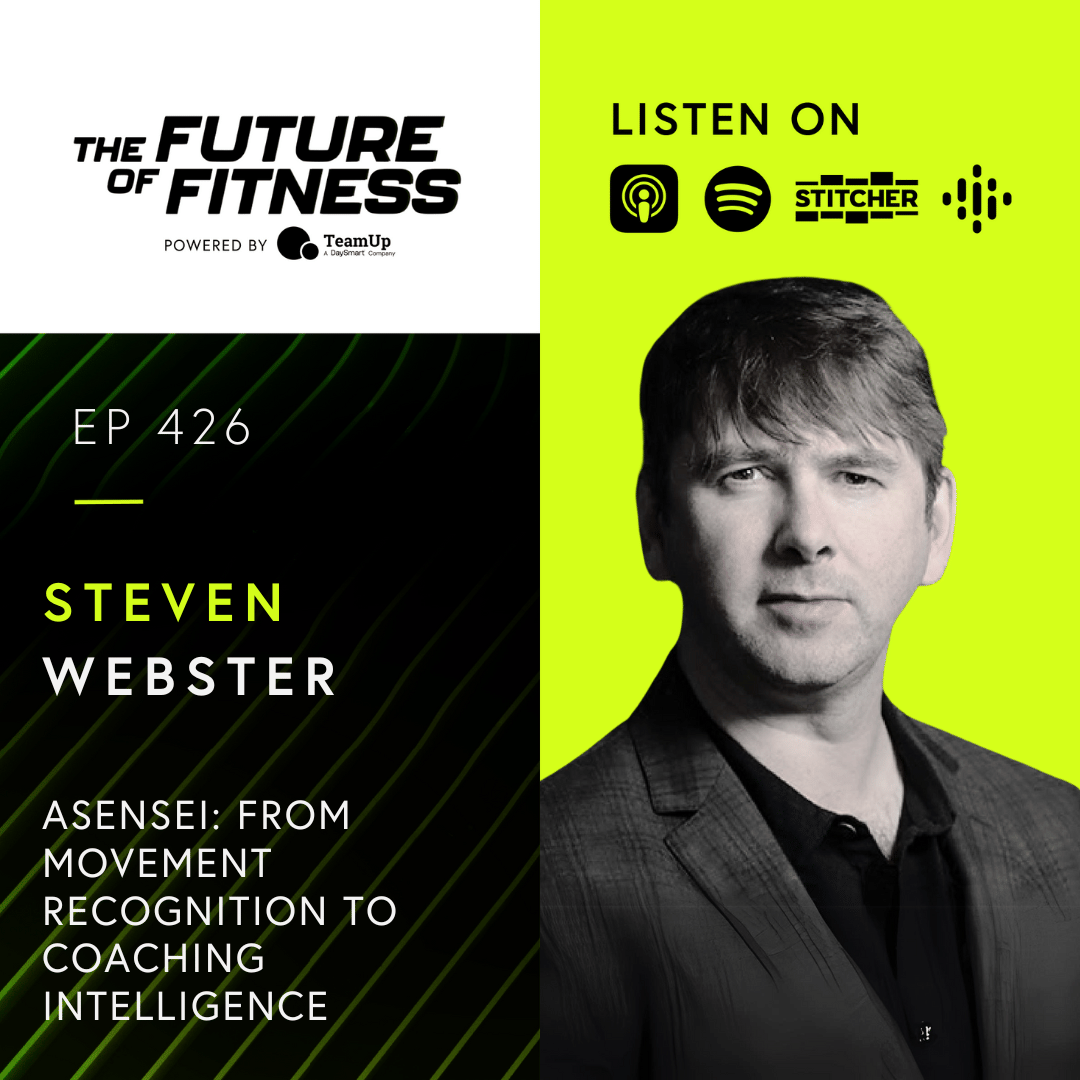
The fitness industry is on the brink of a technological revolution, much like the seismic shifts seen in e-commerce decades ago. In a recent episode of the Future of Fitness, Steven Webster, CEO and co-founder of ASENSEI, shared his insights on how artificial intelligence is paving the way for a new era in personal training and fitness coaching.
The Evolution of AI in Fitness
Artificial intelligence in fitness is evolving beyond basic activity tracking. Companies like ASENSEI are at the forefront, utilizing AI for sophisticated movement recognition that offers real-time coaching and feedback. This technology not only recognizes what exercise you're performing but also how well you're performing it, suggesting improvements and adjustments to ensure maximum effectiveness.
Personalized Coaching at Scale
One of the most exciting developments in AI-driven fitness is the ability to personalize workouts at a scale previously unimaginable. AI can adjust workouts based on an individual's performance data, pushing them just enough to maximize results without risking injury. This personalization extends across various fitness levels, making expert coaching accessible to beginners and seasoned athletes alike.
The Future of Fitness: An Omni-Channel Approach
The future of fitness, as discussed with Steven Webster, will likely follow an omni-channel approach, seamlessly integrating digital and physical training environments. This hybrid model will cater to the diverse preferences and needs of consumers, combining the convenience of at-home workouts with the community and equipment available at gyms.
Integrating AI with Traditional Fitness Regimes
The integration of AI doesn't mean the end of traditional gyms or fitness practices. Instead, it enhances these experiences by providing gyms with tools to offer personalized coaching and feedback. For instance, gyms equipped with AI technology can offer a level of personalized attention previously only available through personal trainers.
Adopting a Consumer-Centric Approach
As the fitness industry evolves, adopting a consumer-centric approach will be key. Just like in e-commerce, where customer preferences drove significant shifts in how businesses operate, fitness companies will need to adapt to the increasing demand for personalized, flexible fitness options that can be accessed at home or in a gym.
Conclusion
The integration of AI in fitness is more than just a trend; it's a transformative movement that is reshaping how we think about personal health and wellness. By harnessing the power of AI, companies like ASENSEI are not only enhancing workout efficiency and effectiveness but are also making fitness more inclusive and accessible to everyone.
As we continue to navigate this exciting landscape, it's clear that the future of fitness will be characterized by a seamless blend of technology, personalization, and accessibility, making it easier than ever for individuals to achieve their health and fitness goals.