
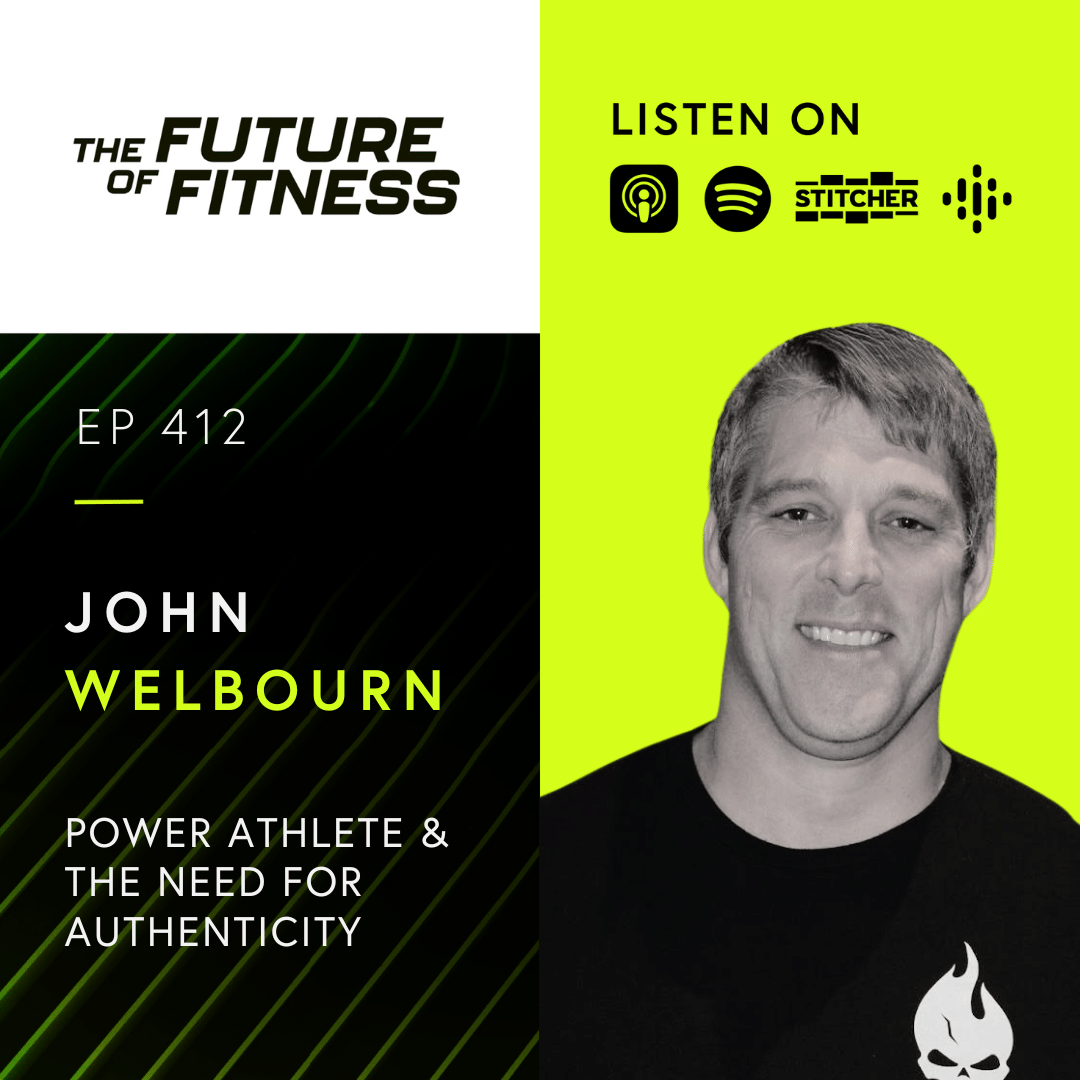
In the world of fitness, where trends come and go, the concept of authenticity often gets overshadowed by the latest fads. John Welbourn, a former NFL player and the founder of Power Athlete, brings a refreshing perspective on what it means to engage in genuine, effective training. In a recent episode of "The Future of Fitness," John discusses the critical importance of authenticity in the fitness industry, sharing insights from his extensive career and current role.
The Journey from NFL to Power Athlete: John Welbourn’s journey into fitness authenticity began on the football fields of the NFL, where performance and resilience are paramount. His transition from professional sports to fitness entrepreneurship through Power Athlete was fueled by a desire to impart realistic and effective strength training methods. Power Athlete stands as a testament to training programs that prioritize genuine improvement in athletic performance and health.
Debunking Fitness Myths: During our conversation, John pointed out the common misconceptions and misleading practices prevalent in the fitness world. He emphasized the pitfalls of programs that promise quick results without substantial effort or scientific backing. According to John, true fitness is not achieved through shortcuts but through consistent, well-planned, and scientifically sound practices that consider the individual's needs and capabilities.
Core Principles of Power Athlete: At the heart of Power Athlete's philosophy is the commitment to authenticity. John outlined the core principles that guide their programs:
Individualization: Tailoring training programs to the specific physiological and psychological needs of each athlete.
Foundation Building: Emphasizing the importance of building a strong foundation through compound movements and progressive overloads.
Long-Term Development: Focusing on long-term athlete development rather than short-term gains.
The Role of Technology in Authentic Fitness: John also discussed how Power Athlete integrates technology to enhance training authenticity. By using data analytics and biomechanical analysis, they ensure that each training program is not only tailored but also continuously adapted to the athlete’s progress, promoting optimal outcomes.
Challenges in Promoting Authentic Fitness: Promoting authenticity in a market saturated with gimmicky fitness products is challenging. John shared his experiences in combating misinformation and educating both trainers and athletes about the merits of evidence-based fitness practices. This mission involves a significant amount of community building, education, and ongoing dialogue within the industry.
The Future of Authentic Fitness: Looking forward, John is optimistic about the role of authenticity in shaping the future of the fitness industry. He believes that as more people become educated about the principles of real strength and health, there will be a shift towards more sustainable and effective training practices. Power Athlete is at the forefront, advocating for a fitness culture that values science over sensation and depth over appearance.
Conclusion: John Welbourn's insights serve as a powerful reminder of the importance of authenticity in fitness. His approach through Power Athlete is not just about training athletes; it's about cultivating a culture of genuine, informed, and effective fitness practices that can stand the test of time. For anyone looking to transcend the ordinary and achieve true fitness, embracing the principles discussed by John could be the key to unlocking their potential.